



Arches Insoles Type 2
For the best fit, if you're between sizes, we recommend sizing up.
Physicians Recommend Type 2 For:
Plantar Fasciitis & Foot Fatigue
Both conditions can result from:
- Too much time on the feet
- Natural or vascular sensitivity
- Being large-framed or otherwise heavy
- Thinning connective and cushioning tissues from growing older
- Activities placing excess stress on the heel and attached tissues
- Foot mechanics and walking patterns
FootScientific's Type 1 and Type 3 correct foot "deformities" having to do with the pronating and with the supinating foot. The value of Type 2 for the "normal" arch is often overlooked. However, physicians prescribe Type 2 as often as the other two types.
Why Healthcare Professionals Love Type 2
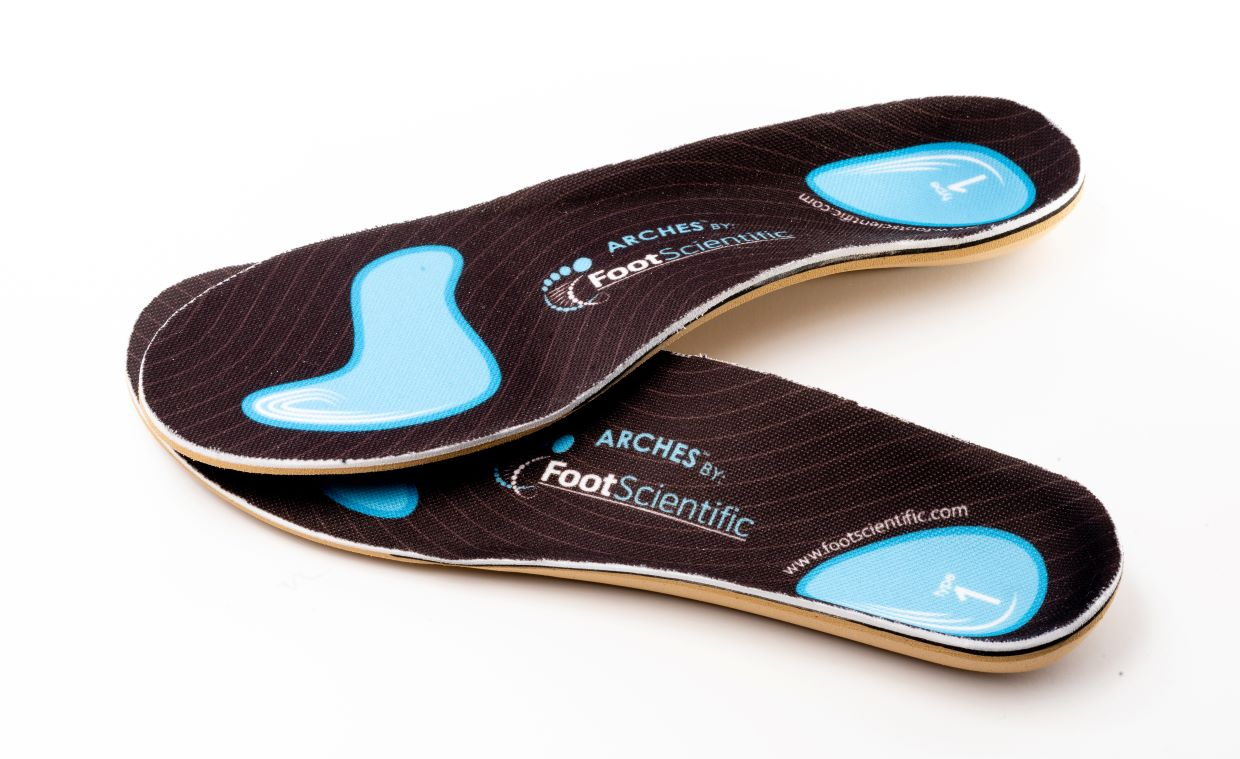
The shape is designed to support the arch and cradle the heel while distributing weight more evenly and off of common pressure points at the heel and ball of foot. This can relieve both foot fatigue and take pressure OFF the plantar fascia.
Type 2 places a gel pad at the ball and the heel of the foot but the overall mix of structure and comfort is provided by the use of a cork amalgam. This is important because gushy, all-gel style orthotics do not hold the form they need for all-day comfort and correction.
The cork conforms comfortably to idiosyncrasies in the foot without losing its corrective and healing shape.
What's Your Foot Type?
Find Your Type
Type 1: Pronating, Overpronating, Flat Foot, Fallen Arches
Type 1's correction increases comfort, enhances performance, and prevents injuries. Clinical issues common to flat feet such as plantar fasciitis, ankle and knee pain, or pain from undue pressure on the inside of the foot are relieved.
Type 2: Neutral Arch
Type 2 is for additional arch support, weight distribution off pressure points, and foot stabilization for a more responsive and comfortable foot. Ideal for patients without either excessively flat or high arches but who need cushioning and support.
Type 3: Supination, High Arch, High Rigid Arch, Cavovarus Foot, Inner Knee Arthritis
Correction results in a more flexible foot, better pivot. It minimizes outer-foot stress fractures and ankle rolling. Type 3 also helps open space at the inner knee to lessen the pain of inner-knee arthritis.
Before & After
5-Layer Construction

Each pair is designed with 5 layers:
Works for additional shock absorption and comfort at the heel and ball of foot.
Allows for shock absorption, maintains the alignment, and maintains the correction.
Stabilizes the heel, providing comfort and support.
Allows for persistent shock absorption and comfort of the wearer.
Works to control perspiration, odor control, and transitional cushioning.
How to Install Your Arches Orthotics
Remove your current shoe lining/insole and replace it with the Arches Orthotics.
Trim the end to fit if needed. This step is usually unnecessary.
To ensure correction and extend the life of the orthotic, place a different pair of orthotics in each shoe. Replace every 6-12 months or as needed based on use.
Please trial for 14 days to assess comfort and performance.
Subscribe on your next purchase to maintain the ongoing benefits of your orthotics.
Expert Insights from Dr. Rob Faux
Board-Certified Orthopedic Surgeon specializing in corrective foot biomechanics
What foot types require corrective vs comfort orthotics?
Pronation (flat feet), neutral, and supination (high arch) foot types each require specific corrective geometries. Type 2 is uniquely positioned for neutral arches and plantar fasciitis patients without obvious structural deformities.
The 60-Second Self-Test:
- Wet your bare foot and step on dry concrete or paper
- Full footprint without arch gap = Flat feet (Type 1)
- Moderate footprint with visible arch = Neutral feet (Type 2)
- Very narrow middle foot = High arches (Type 3)
Why do orthopedic surgeons recommend cork-based orthotics?
Cork amalgam provides the ideal balance of structure and comfort that pure foam or gel cannot achieve. A too-soft material puts additional pressure on the plantar fascia. A too-hard plastic or carbon-fiber base is uncomfortable.
Cork conforms comfortably to your unique foot shape while maintaining its corrective shape over time. It can exceed 12 months of regular use, compared to simple foams.


